
Gregory Ghosts: Haunting Irishness
Kevin P. Reilly
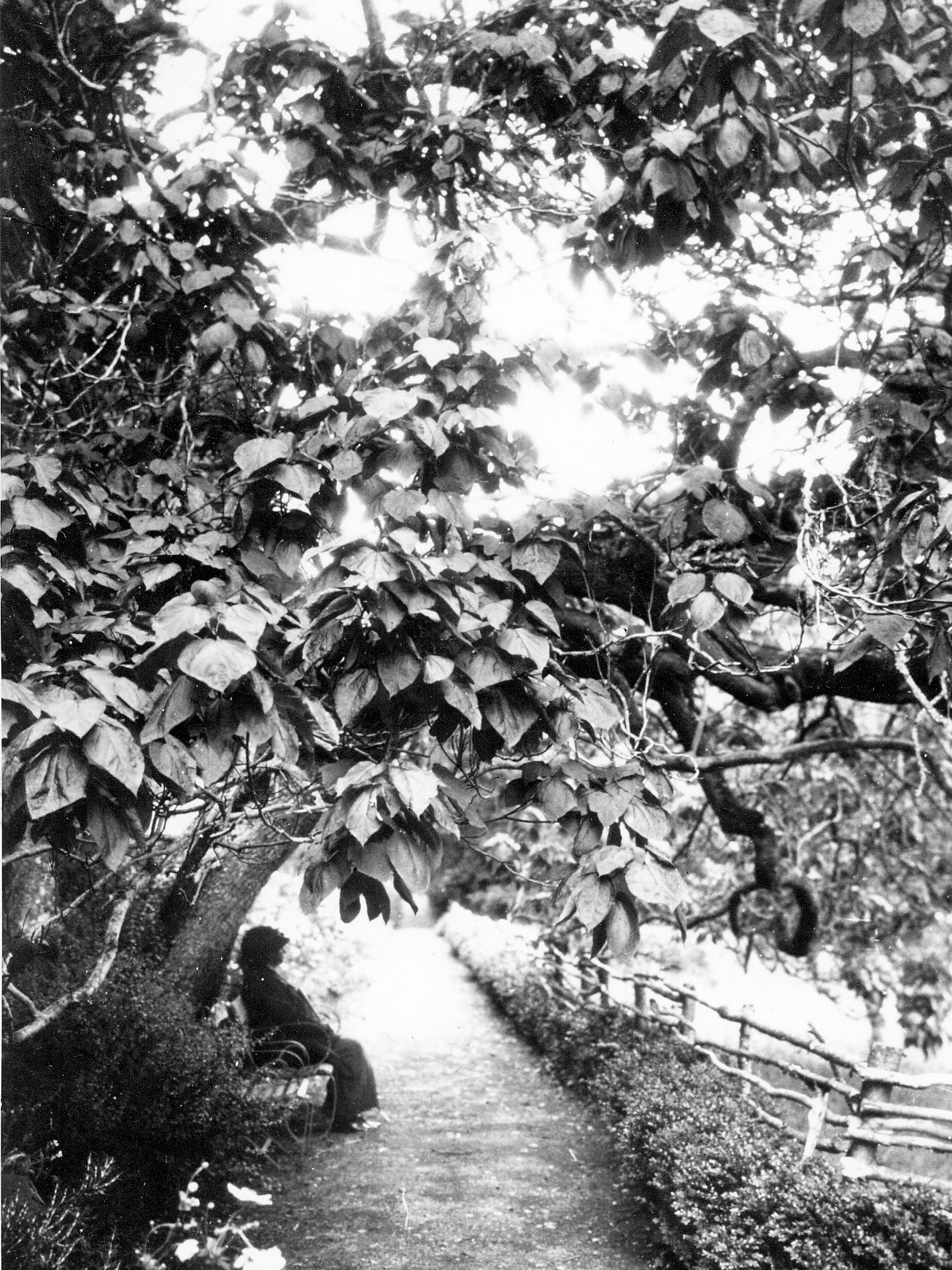
Book Cover Detail: Lady Gregory sitting on a bench in Coole Park.
PREFACE
This is a ghost story. It’s about ghosts looking back over their lives – and sometimes forward beyond them – to try to make sense of them, their times and one another.
Each is the ghost of a real person, an Irish or Irish-American person involved in the Irish Literary Renaissance of the late nineteenth and early twentieth centuries. These nine were entwined with one another too, as friends, frenemies, artistic collaborators, lovers, family members and political actors straddling an Irish Sea of contention and connection between Ireland and England. Their ghostly status gives them rein to muse more freely and believe they see things more clearly than they would have been able to during life.
Theirs were all turbulent lives played out on the western edge of Europe at a time of great change that shaped the course of the twentieth century, and that reverberates still in the twenty-first. Ireland was a kind of European third-world colony when it gained qualified independence from England in 1922 after 800 years of domination. That independence was won between two world wars in a long era of modern, violent conflict among nations, religions and ethnicities. In Ireland’s case, the conflict was between Ireland and England, Catholics and Protestants, Celts and Anglo-Saxons. It was a precursor to other twentieth century uprisings by indigenous nationalist movements against empires and colonizers.
Often accompanying and impelling such movements were rejuvenations of the faded or repressed cultural inheritances of peoples occupied both militarily and psychologically. The Irish Literary Renaissance was such a reclaiming. It led up to and continued beyond the Irish Rising of Easter Monday, 1916. As William Butler Yeats famously wondered in his poem, ‘Man and the Echo’: ‘Did that play of mine send out/ Certain men the English shot?’ Yeats’s mentor, writing partner and friend, Lady Augusta Gregory, was as responsible as anyone for bringing forward Irish folklore, mythologies and heroic tales into a modern world that would use them for its own liberating purposes.
Lady Gregory (1852–1932) is the main character in this book. Thus its ghosts are ‘Gregory Ghosts’. As playwright, as a founder of the Irish Literary Theatre and as a director of the Abbey Theatre, she was artist, businesswoman, inspiration to other artists and imperious conductor of the tumultuous – and very male – Irish Renaissance ‘orchestra’. She was, too, an English lady, running her grand estate in County Galway, Coole Park, as a widow, with tender dedication to the land and its tenants, as well as an iron will she imposed on both.
She was an inveterate memoirist, and an adept organiser of American tours for her Abbey Theatre company. She adroitly negotiated between Protestants and Catholics, Irish unionists and Irish rebels, Irish Free-Staters and Irish Republicans, clergy and laypeople and Dublin and London galleries in defending the integrity of Irish art. So we might say today, perhaps to this proper Victorian woman’s horror, that she was a proto-feminist. She demonstrated her superior abilities in a range of realms, prefiguring the rise of women in so many of them from which they had been excluded. The defining political, social and cultural structures in which she did so were being reinvented throughout her long lifetime.
Ireland was becoming an independent nation, but only after enduring the triple agonies of the failed 1916 uprising, the Anglo-Irish War (1919–21) and, right on its heels, the Irish Civil War (1922–3). Her Anglo-Irish Protestant Ascendancy tribe was losing power and influence, most strikingly embodied by their eventual displacement from the grand country houses and estates that were the most visible icons of their authority and wealth. Aristocracies and monarchies everywhere were waning, the middle class and democracy waxing.
The most prominent Irish writers that her Irish Revival would enable in poetry, fiction and drama – Yeats, Joyce and Beckett, respectively – were in their very different ways middle-class iconoclasts, thoroughly familiar with tradition but turning it on its head for modernist effect. Then there was the unthinkable trauma of World War I, leaving some forty million wounded and dead. It would claim her only child, Robert, in a plane crash in Italy. The world in which she died in 1932 was hardly the one she had been born into in 1852. Somehow, she managed to evolve with it all.
I have been reading Irish literature since well before I wrote my doctoral dissertation about Irish literary autobiography more than forty years ago. Lady Augusta Gregory remains for me a unique, unlikely mover in the Irish tradition, a bundle of the contradictions mentioned above, a woman who brought them together to appropriate the Irish past for herself and use it to propel Ireland into a new and different future. In that sense her spirit has haunted the richly contentious, innovative and lively Irish literary landscape since her death, and haunts it still. She was a ghostly presence in her own time as well in that she served as a sort of ghostwriter for her male colleagues, doing much work behind the scenes for which she got little or no credit.
The contemporary American writer Barbara Kingsolver has said: ‘The alchemy of literature is in its translation of global-scale themes – like, let’s say, the disposition of social collapse – into the intimate language of human experience’. Lady Gregory was indispensable in helping her fellow writers practice that alchemy in their fraught Irish moment. The interior monologue is the most intimate literary distillation of human experience. Each character in this book has one of her or his own.
They include her much older, mutton-chopped husband, Sir William Gregory; their son, Robert, and his wife, Margaret; the charming, dilettantish womaniser, Wilfrid Scawen Blunt, with whom she had an affair; Yeats, her mentee and friend, whose prodigious talents blossomed with her careful cultivation of them; and Maire Nic Shiubhlaigh [Moyra Nic Hooley], the young Abbey Theatre actress and nationalist, at once sceptical of the grand lady’s airs and intentions and admiring of her strength and determination. Others in the Gregory circle also appear. Lady Gregory gets two monologues, as the originator and the closer of this ghost story.
These monologues interact with each other, making them at once more intimate and more public. The characters are talking from beyond the grave with one another, if obliquely, if not directly to one another. These interactions are charged with an enhanced hindsight, and foresight, appropriate to their ghostly personae.
My method in writing the book was appropriate to its unusual genre. I of course read drama, poetry, memoirs, letters, autobiographies, biographies, essays and histories written by and about the characters. I wrote each chapter with as many of these pertaining to the character speaking in the chapter available to me on and around my desk. I would refer to these sources as I wrote, moving among them as the chapter took shape, drawing ideas from them as well as words spoken or written by the characters themselves.
I have not put these ideas and words in quotation marks with footnotes or endnotes. Introducing such scholarly apparatus would have disrupted the flow of these interior monologues, the sense that the ghostly speakers are giving us an unfettered piece of their minds. The book is not literary criticism, or academic history, or biography, but an imaginative recreation of the characters’ personalities and views, informed by scholarship and their own writing.
After the final chapter, I have provided in a ‘Sources’ section a thorough description of the publications and collections I relied on in writing each chapter. There readers can follow up as they wish on the primary and secondary sources that inform each chapter and that delineate the lives of the real people represented here by their chatty ghosts.
Just what kind of a ghost story is this, after all that? I would say it is one sung by a chorus of complementary and competing Irish voices, preternaturally informed in their afterlives. I have not ‘made up’ any facts about these characters. What they think about the facts reflects very much what they themselves have written and what credible others have written about them. Based on these accounts, I have shaped what I’ll call their ‘cast of mind’ to project how I believe they might see themselves and others if they knew something of what was to come after their deaths.
The book is thus a literary version of a carefully curated portrait gallery. Reading it is similar to the experience of a visitor to an art gallery who might view a number of paintings or photographs of individuals of the same place, time and culture, and think about how the subjects might interpret their own lives today in light of what those lives together set in motion.
In ‘The Municipal Gallery Revisited’, Yeats urges his readers to
come to this hallowed place
Where my friends’ portraits hang and look thereon;
Ireland’s history in their lineaments trace;
Think where man’s glory most begins and ends
And say my glory was I had such friends.
My hope for my readers is that they will find this collection of ghostly portraits and voices, dominated by the presence of an Irishwoman of fascinating facets and counterpoints, worth the visit.
Gregory Ghosts
Below are photos of the “ghost” voices revealed in Gregory Ghosts: Haunting Irishness. Each was a real person, Irish or Irish-American, involved in the Irish Literary Renaissance of the late nineteenth and early twentieth centuries. These nine were entwined with one another too, as friends, frenemies, artistic collaborators, lovers, family members and political actors straddling an Irish Sea of contention and connection between Ireland and England.
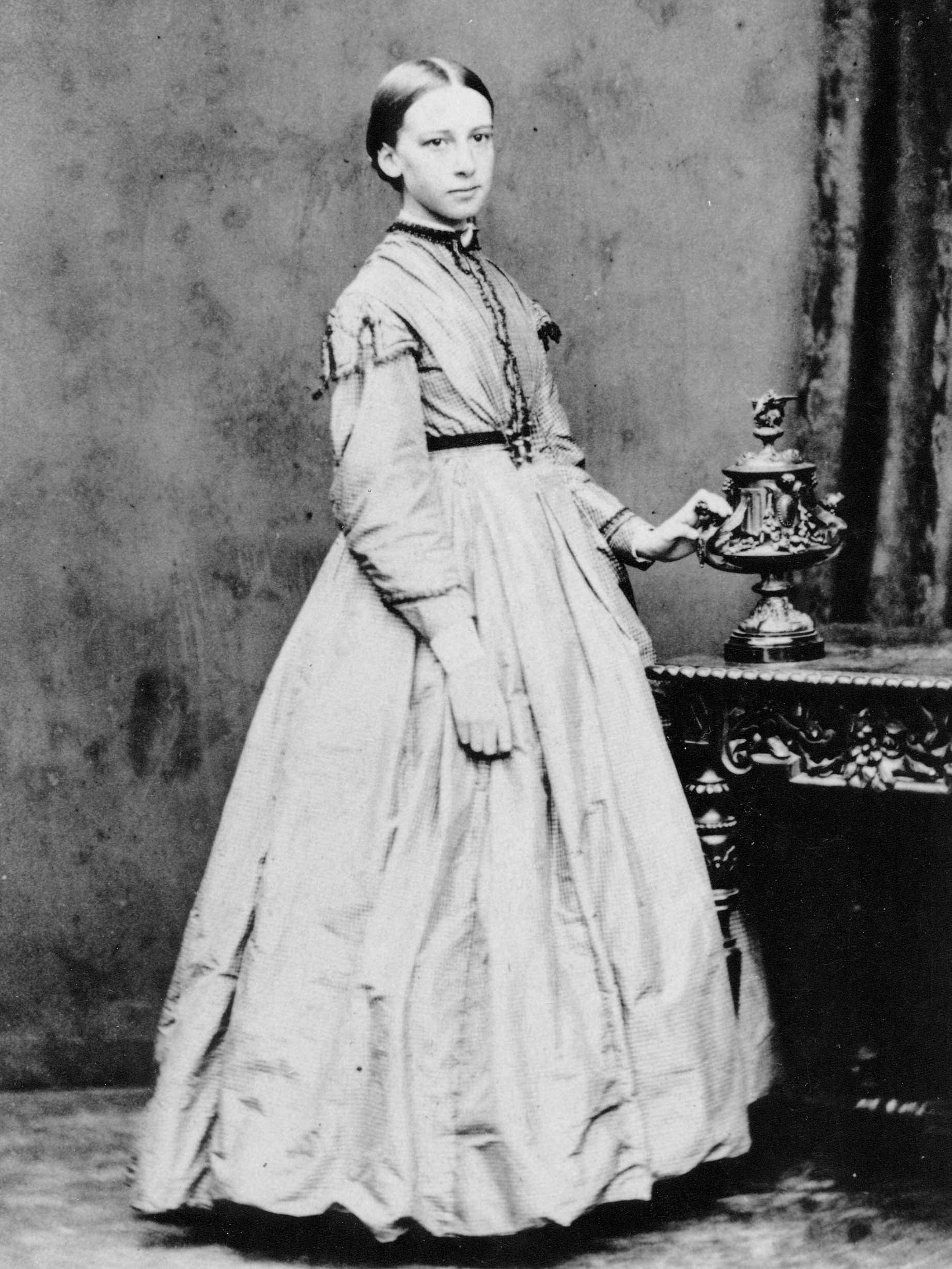
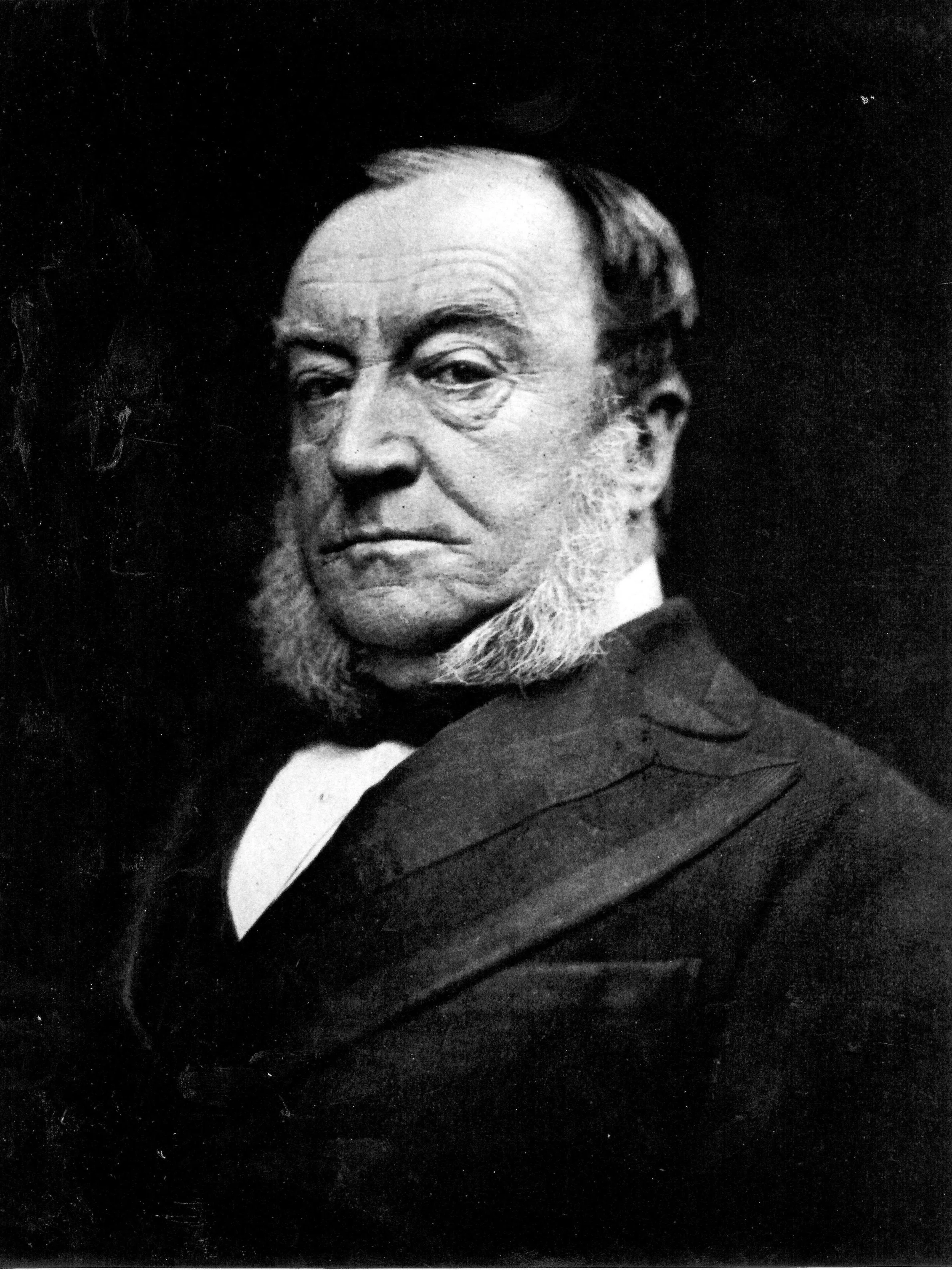
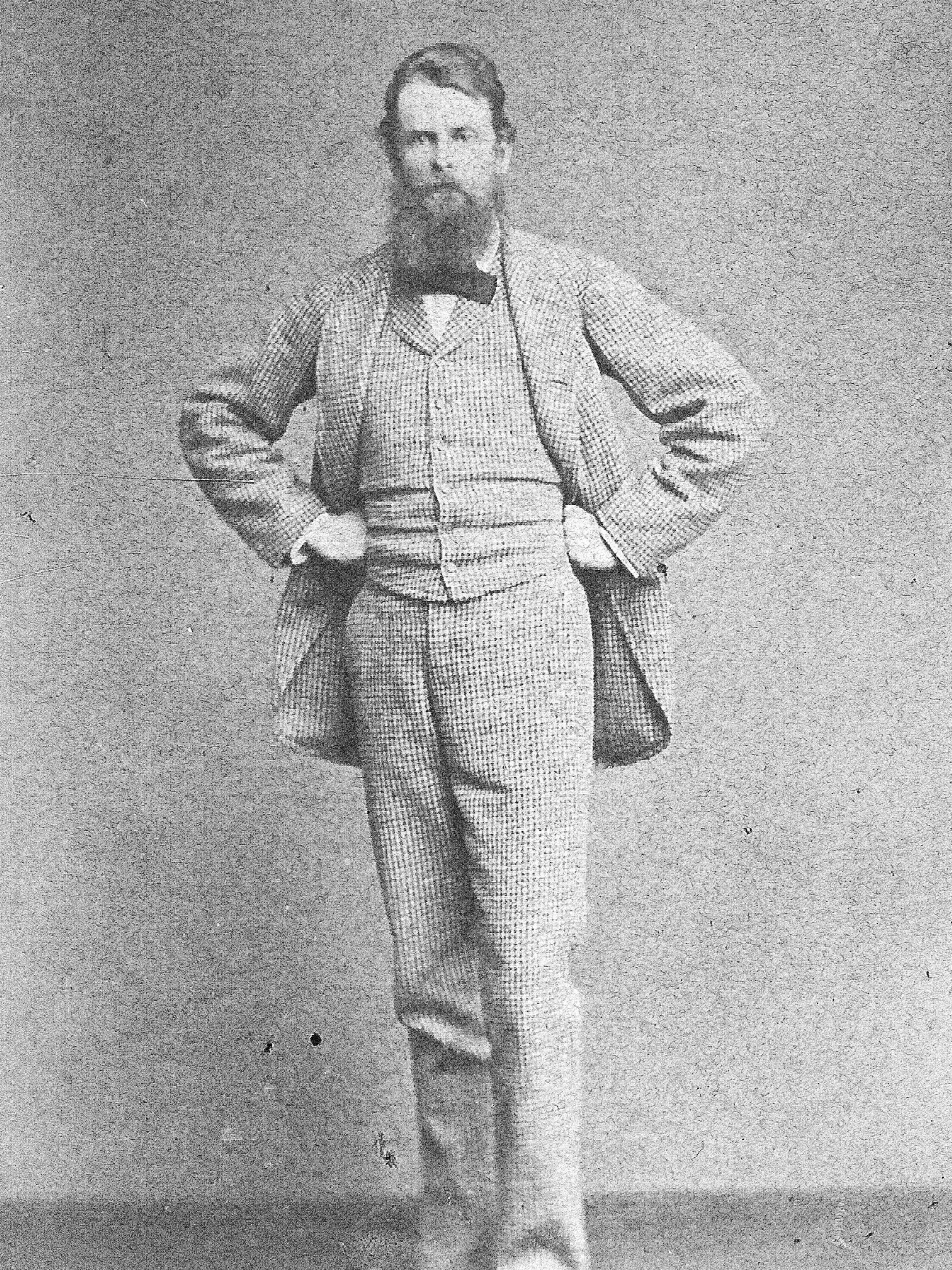
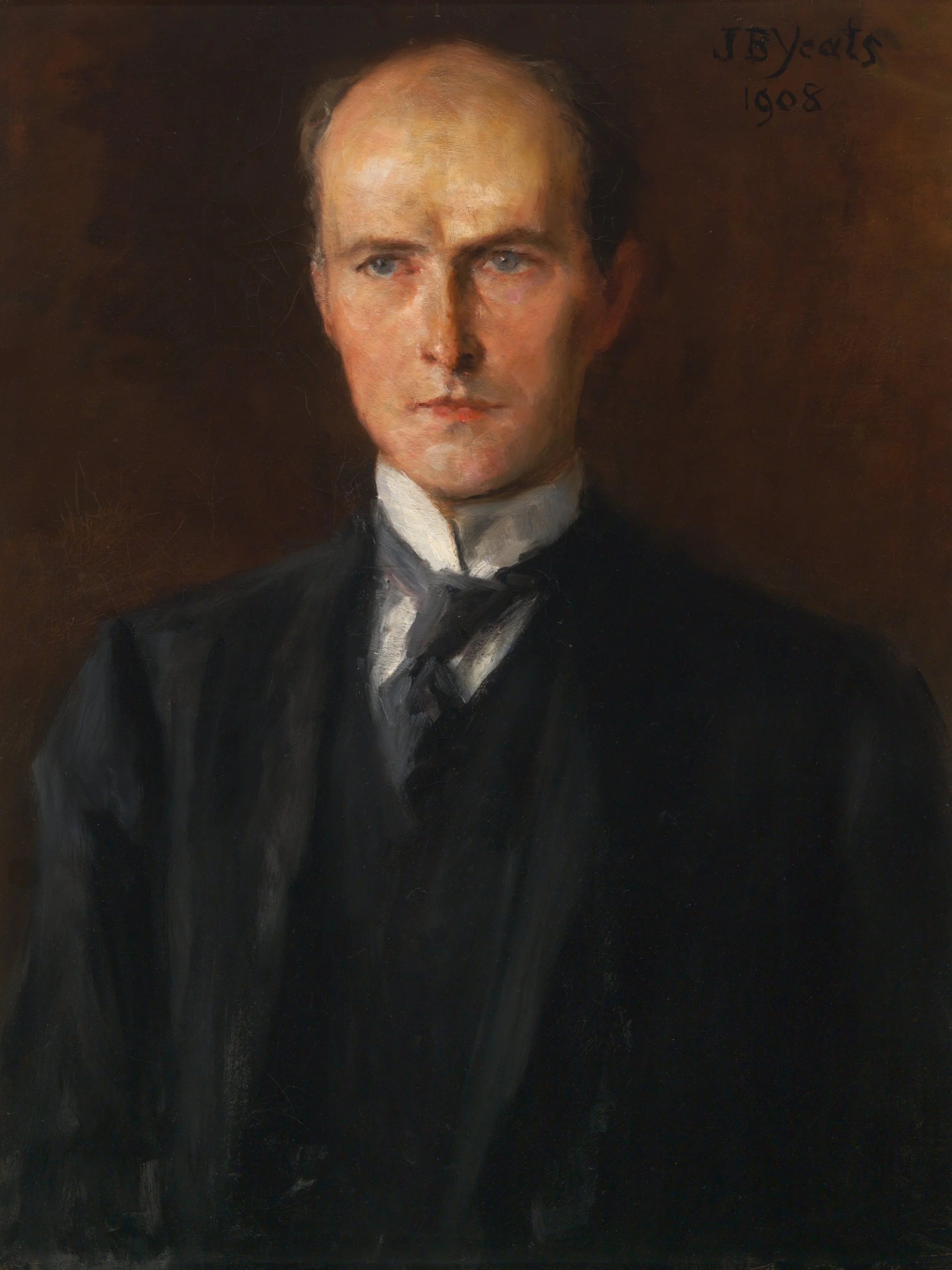
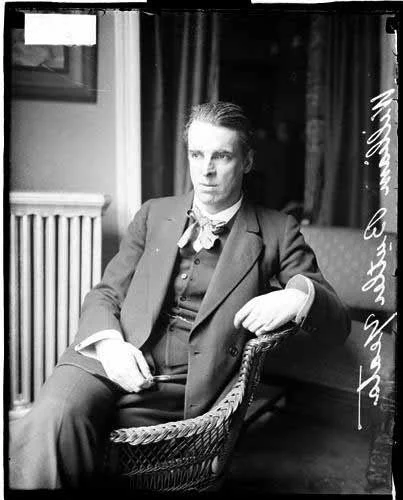
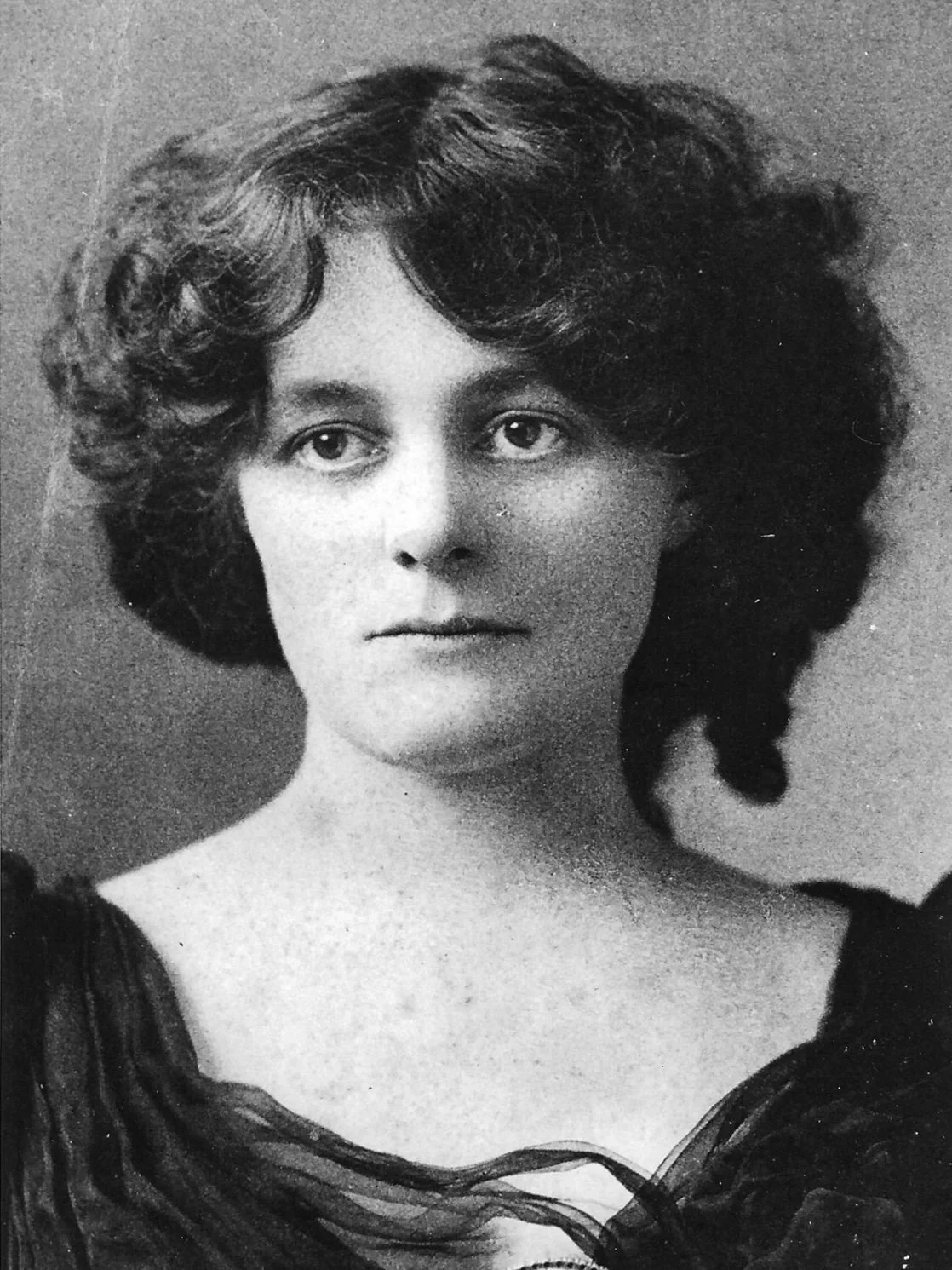
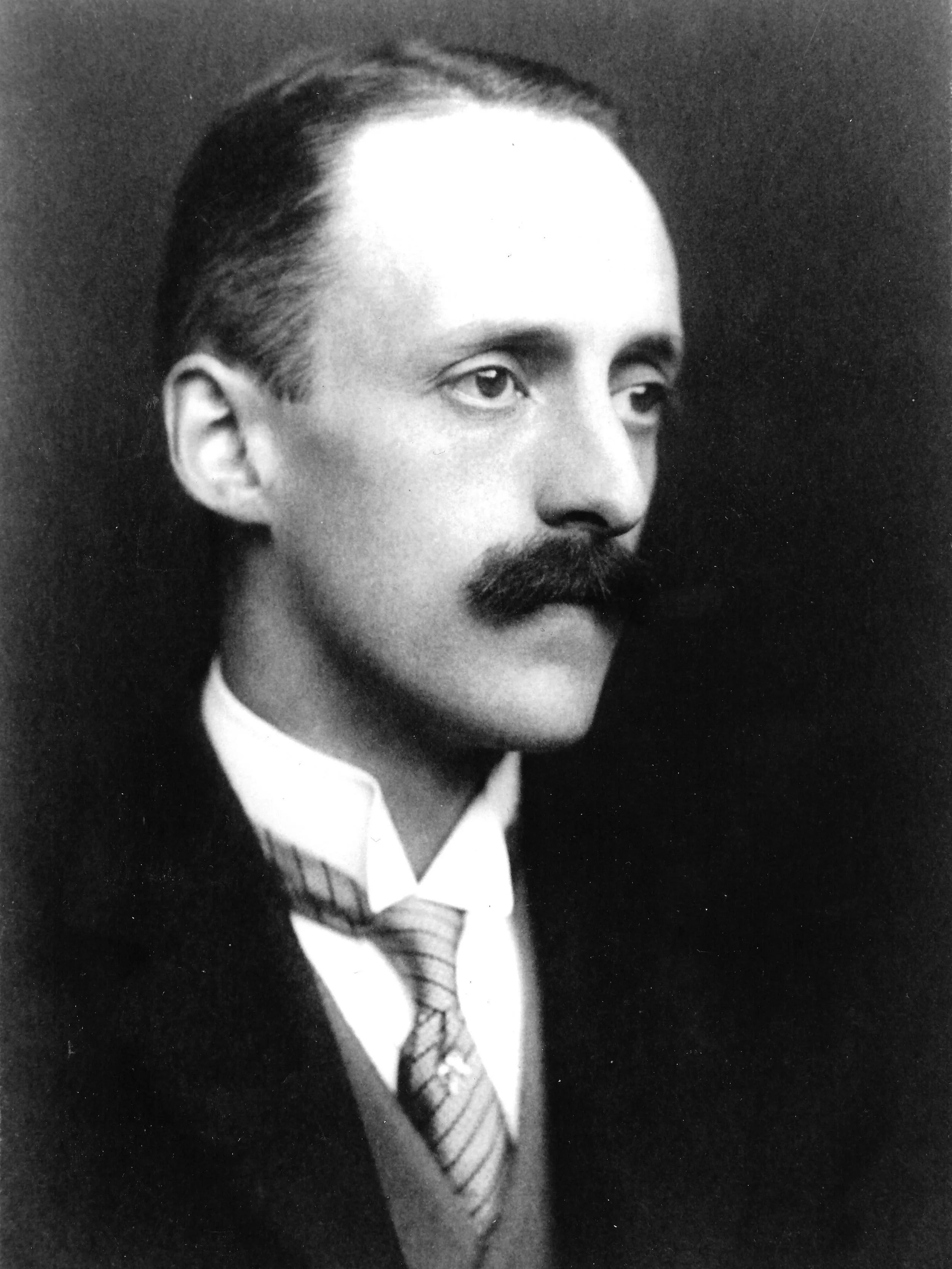
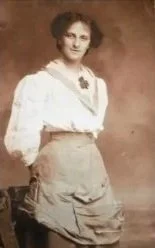
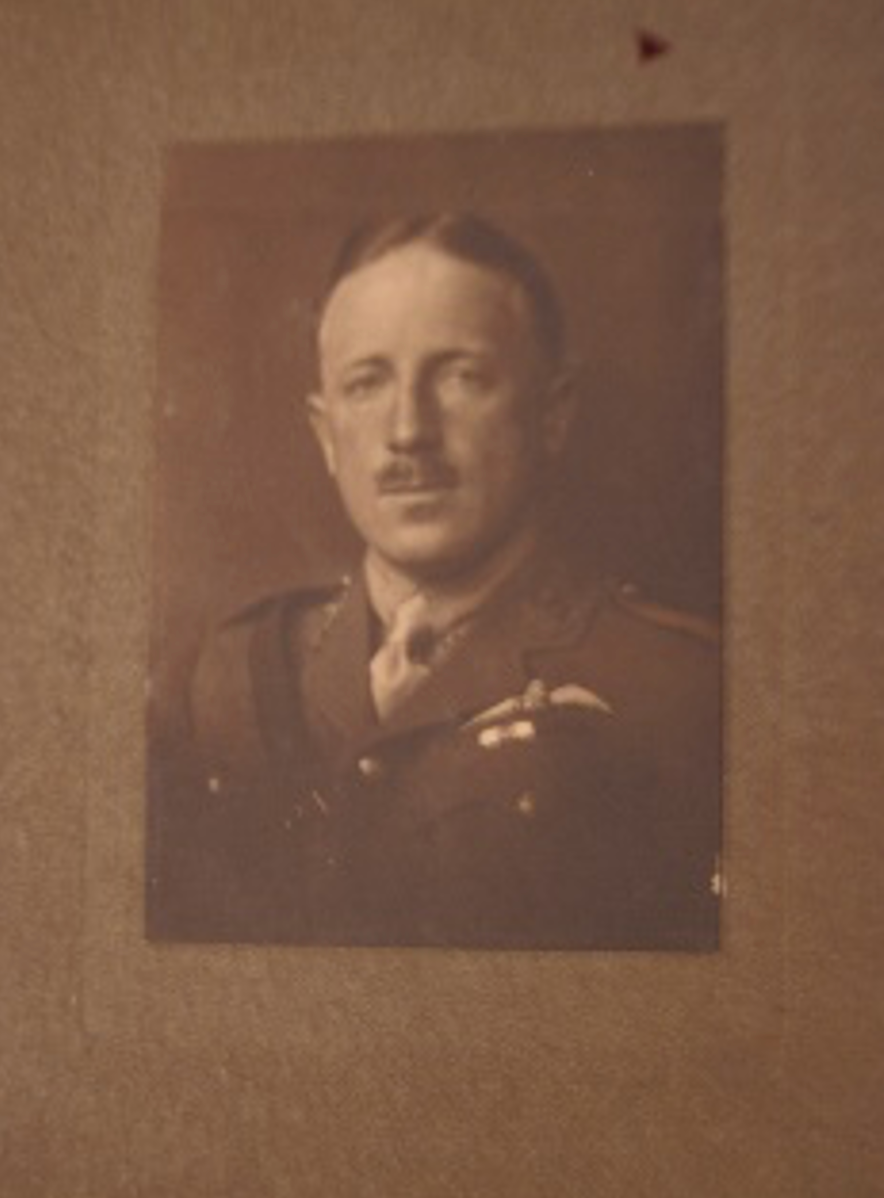
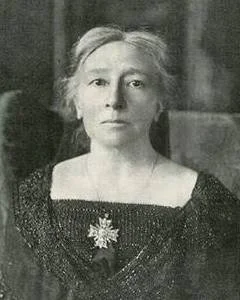
Photo Credits:
Book Cover Detail and Preface Header: Lady Gregory sitting on a bench in Coole Park. Courtesy of Colin Smythe.
Young Lady Gregory. Courtesy of Colin Smythe.
Sir William Gregory. Courtesy of Colin Smythe.
Wilfrid Scawen Blunt. Courtesy of Colin Smythe.
John Quinn (Painted by John Butler Yeats). Public Domain, National Portrait Gallery, Smithsonian Institution.
WB Yeats. Public Domain, Chicago Daily News Collection, Chicago History Museum.
Maud Gonne. Courtesy of Colin Smythe.
Hugh Percy. Courtesy of Colin Smythe.
Maire Nic Shiubhlaigh. Courtesy of the Abbey Theatre Archive.
Major Robert Gregory. Courtesy of Colin Smythe.
Lady Gregory later in life. Courtesy of Colin Smythe.